

How Much Do Veterinarians Make?
BLS counts employed veterinarians only, and its Occupational Outlook Handbook says 7% of vets are self-employed. A one-person veterinary business grossed $55,616 on average in 2024, less than half the employee median, before drugs, supplies and other costs, and Census says such a business may or may not be the owner's main income.
Search results quote one salary. This page shows the three ways a vet is paid (a salary or ProSal, relief shifts by the day, a practice of their own) and what new graduates start on and owe.
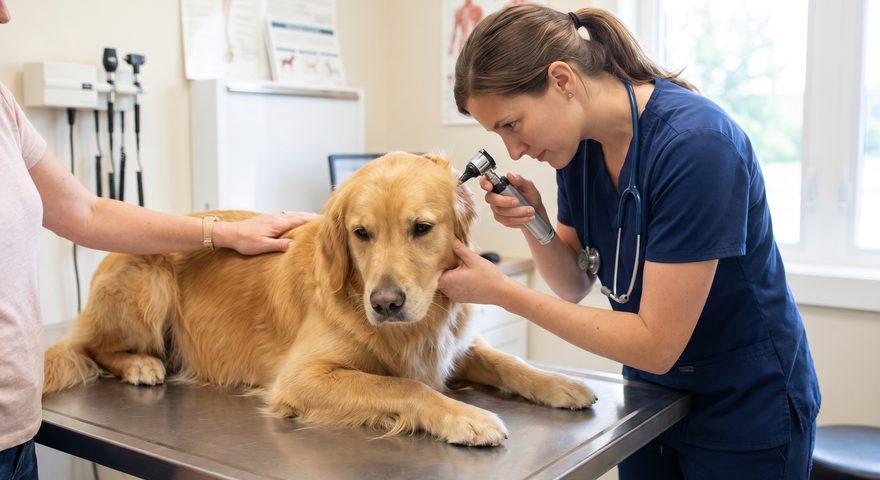
Which of these is closest to yours depends on how you are paid.
Employed veterinarians in Seattle earn a median of $163,810, against $130,100 nationally
Enter a ZIP code to see the median pay of employed veterinarians where you work: every US ZIP code is matched to its BLS area. 404 of the 528 BLS areas publish a median for veterinarians; 120 show their state's figure; four areas in Alaska and Delaware have neither, and the tool says so.
Sources: BLS OEWS May 2025, SOC 29-1131 Veterinarians by area, which surveys employees only. 404 of the 528 BLS areas publish a median for veterinarians; 120 show their state's figure; four areas in Alaska and Delaware have neither, and the tool says so. ZIP codes are matched to areas with the Census ZIP-to-county file and USDA rural-urban codes. No agency publishes self-employed pay by area, so when you enter a ZIP code the calculator moves its example price with the employed pay level there. Your ZIP code stays in your browser.
California pays employed veterinarians a median of $163,920; South Dakota pays $88,650
The first column is the BLS median for employed vets, which leaves out the self-employed; Alaska and Delaware have no BLS median, so they are not in the table. The second column is what a one-person veterinary business with no employees grossed on average in 2024, before any costs. In South Dakota and North Dakota the two figures sit closer together than anywhere else in the table.
| State | Employed veterinarians, median a year (BLS May 2025) | One-person veterinary business, average gross (Census 2024) |
|---|---|---|
| United States | $130,100 | $55,616 |
| Highest five | ||
| California | $163,920 | $54,438 |
| Maryland | $163,170 | $51,204 |
| Washington | $160,510 | $51,689 |
| New Jersey | $160,140 | $53,766 |
| Arizona | $152,020 | $49,690 |
| Lowest five | ||
| South Dakota | $88,650 | $80,603 |
| Wyoming | $97,240 | $73,898 |
| Oklahoma | $98,090 | $68,328 |
| Montana | $99,390 | $55,968 |
| North Dakota | $102,180 | $81,765 |
| Most people employed in this job | ||
| Texas | $131,330 | $60,912 |
| Florida | $131,660 | $56,917 |
| Pennsylvania | $133,520 | $64,409 |
| Ohio | $125,060 | $54,233 |
| New York | $131,830 | $77,157 |
| North Carolina | $129,240 | $46,451 |
BLS OEWS May 2025, SOC 29-1131, state medians for employees only. Census Nonemployer Statistics 2024, NAICS 54194 Veterinary services, average gross receipts before drugs, supplies, vehicle, insurance and tax, covering only businesses with no paid employees; Puerto Rico has no Census row.
Employed vets earn a median of $130,100; a one-person veterinary business grosses $55,616
The employed median is more than twice the one-person average. Census counts only businesses with no paid employees and receipts of $1,000 or more, and says most are sole proprietorships "which may or may not be the owner's principal source of income", so part-time and side work sit inside the $55,616. The two figures also measure different things: BLS reports a median of wages, Census an average of gross receipts, and they count different people.
No agency publishes what a clinic owner with staff takes home, and the Census figure leaves those clinics out. AVMA says owners' and associates' incomes vary widely, but the article gives no split between them.
Work out what a year of visits brings in before costs
The fee, visits, days and weeks are examples; change each one to match your own work. The result is what a solo house-call practice's visits bring in before costs.
- Visit income in a year$286,560
- Your share$286,560
- Card fees− $8,597
Example figures from the sources named, checked in November 2026. Subtract your own drugs, lab fees, vehicle and insurance from the result, and license fees too; none of them is deducted. A 3% card fee is taken off. With a ZIP code entered, the price follows that area's pay level.
One posting reads "$80k+ 20% Production"; one relief shift pays $1,400
These are four employers' own postings, each for one location, not a survey. We found no relief vet's or relief company's own published rate card, and no production rate from AVMA or a state association.
Thrive Pet Healthcare describes "a competitive, no-negative-accrual PROSAL model", with "additional compensation opportunities available through production and shift differentials." The base depends on experience, skill set and location. It states no production percentage.
The mixed animal posting lists its salary in those words and does not spell out how the two parts combine. It also lists "No Negative Accrual" and a $5,000 sign-on bonus, and shows no posting date. It is the only production percentage we could read on an employer's page, so treat it as one clinic's rate, not a typical one.
An urgent care shift of 10 hours pays $1,800. The posting is dated October 2026. San Francisco-Oakland-Fremont is the area with the highest median for employed vets in the country.
The Sarasota, Florida posting, dated July 2026, is for a relief vet working as an independent contractor on an as-needed schedule. Set beside the San Francisco SPCA's general practice shift, it shows how far apart two relief postings can sit.
AVMA's Class of 2025 started on $129,000 on average and owed $212,499 if they had debt
The starting pay and debt figures below come from AVMA's Graduating Senior Survey of the Class of 2025, sent to final-year students at all US veterinary colleges and two Caribbean ones. It is AVMA's own survey, not an official statistic, and the article gives no sample size. The last two points come from BLS instead.
AVMA calls it a "real" figure after inflation, "as reported in 2025". Graduates who had debt from the veterinary degree owed $212,499 on average.
In the same survey, 17.9% of the class had no debt, 40% owed over $200,000 and 5.9% owed $400,000 or more. AVMA puts the debt-to-income ratio for new graduates in 2025 at 1.4:1.
AVMA's starting salaries by practice type for the Class of 2025: companion animal $140,000 (72.6% of graduates), mixed $112,000 (10.9%), food animal $100,000 (3.2%) and equine $95,000 (7.9%, equine internships included).
Another 28% took internships, residencies or doctoral programs, and almost 7% had no offers. The extras AVMA reports in offers: a signing bonus 61%, a moving allowance 37%, student loan repayment 15%, emergency case compensation 10% and housing 3%.
BLS May 2025, SOC 29-1131, employees only. These percentiles cover employees at every stage of a career, so they describe low pay in general, not a new graduate's pay.
BLS: "Veterinarians must have a Doctor of Veterinary Medicine degree from an accredited veterinary college, as well as a state license." It projects the job to grow 9% from 2025 to 2035, "much faster than the average for all occupations", with about 3,100 openings a year.
Measured by us in November 2026, from Google's US suggestions. Each count is the number of distinct phrasings of a question, not a count of searches. Practice owners and house-call vets drew 33 phrasings, relief vets 20, ProSal and production pay 17, and pay by state or city 17. Vet school was measured too, with 242 phrasings, and left off the chart because it asks about training rather than pay. 95 suggestions about vet techs, veterinary assistants, vet nurses and receptionists came up under these questions and were left off the chart because they are different jobs.
Veterinarian pay questions
If you run your own practice or house-call service, let clients book visits and pay online without phone tag.
The free tier covers your first 100 bookings and asks for no credit card.
- A booking page clients can use from your website or a link
- Each service with its own length and price: a wellness exam, a sick visit, a house call
- A deposit at booking, or a card on file, paid into your practice's own Stripe account
- Tap to Pay on iPhone, to take a card at the clinic or on a house call with no card reader



Sources
Official statistics are linked by agency, table and release. AVMA's figures come from its own surveys, not official statistics. Each job posting and price list is one business's own page, read in November 2026 or, where the live page refused automated requests, through an Internet Archive capture; none of them is a survey.
- Occupational Employment and Wage Statistics, May 2025: Veterinarians (29-1131), national, state, metro and nonmetro areas, U.S. Bureau of Labor Statistics Employees only; the self-employed are not surveyed. 404 of 528 areas report a median for 29-1131; Alaska and Delaware have no state median. Veterinary technologists and technicians (29-2056) are a separate code.
- Occupational Outlook Handbook: Veterinarians, U.S. Bureau of Labor Statistics, 2026-11-16 About 91,100 jobs in 2025, counting all workers; 7% self-employed. Degree, licensing, hours and projected growth.
- Nonemployer Statistics 2024: Veterinary services (NAICS 54194), national and state, U.S. Census Bureau, 2026-11-16 Gross receipts of businesses with no paid employees and receipts of $1,000 or more, before costs and tax. An average, not a median. Census says most are sole proprietorships that may or may not be the owner's principal source of income. Clinics with employees are not counted.
- Inflation continues to dampen gains in veterinarian salaries, fewer new grads entering full-time employment (AVMA Graduating Senior Survey, Class of 2025, and Census of Veterinarians), American Veterinary Medical Association, AVMA News, 2025-10-15 AVMA's own survey of graduating students, not an official statistic; the article gives no sample size. Read through an Internet Archive capture of October 11, 2026, because avma.org refuses automated requests.
- Emergency Veterinarian, Chula Vista, California (job posting), Thrive Pet Healthcare, 2026-06-12 One posting on the employer's careers site, read through an Internet Archive capture of June 12, 2026, because the live page refuses automated requests. One location, not company-wide pay. The capture shows the posting as no longer active.
- Mixed Animal Veterinarian, Adams, Nebraska (job posting), Associated Veterinary Partners, on Workable, 2026-11-16 One posting; no posting date shown. The only production percentage we could read on an employer's page, not a typical rate.
- Relief Veterinarian, Hospital (Contract), San Francisco, California (job posting), San Francisco SPCA, on Paylocity, 2026-11-16 One hospital's posted relief rates; the posting is dated October 2026.
- Relief Veterinarian, Sarasota, Florida (job posting), Humane Society of Sarasota County, on Paylocity, 2026-11-16 One posted relief rate, as an independent contractor; the posting is dated July 2026.
- FAQ: exam and house-call fee, Valet Vet, greater Phoenix, Arizona, 2026-11-16 One mobile practice's own price, not a survey.
- Pricing, VANVETS, 2026-11-16 One mobile practice's own price list, not a survey.
- Prices, Rocket City Mobile Vet, Huntsville, Alabama area, 2026-11-16 One mobile practice's own price list, not a survey.
- Prices, A Mobile Vet, Inc., 2026-11-16 One mobile practice's own price list, not a survey.
- Veterinary Law Examination (VLE), California Veterinary Medical Board, 2026-11-16 Who takes the state law exam and what it covers.
- Examination/License Application: General Information, Texas Board of Veterinary Medical Examiners, 2026-11-16 Fee, state board exam and passing score.
- Veterinarian License Requirements, New York State Education Department, Office of the Professions, 2026-11-16 Exam, fees and general requirements.
- Veterinarian licensing requirements, Washington State Department of Health, 2026-11-16 Education, national exam and the state jurisprudence exam.
- Stripe pricing, standard US card rate, Stripe, 2026-10-25 The card processor kiwilaunch uses; quoted for the 3% card fee in the calculator.
Not tax, legal or financial advice. Pay and what you keep vary by state and city, and licensing rules differ by state. A tax professional who knows your situation can answer for you.